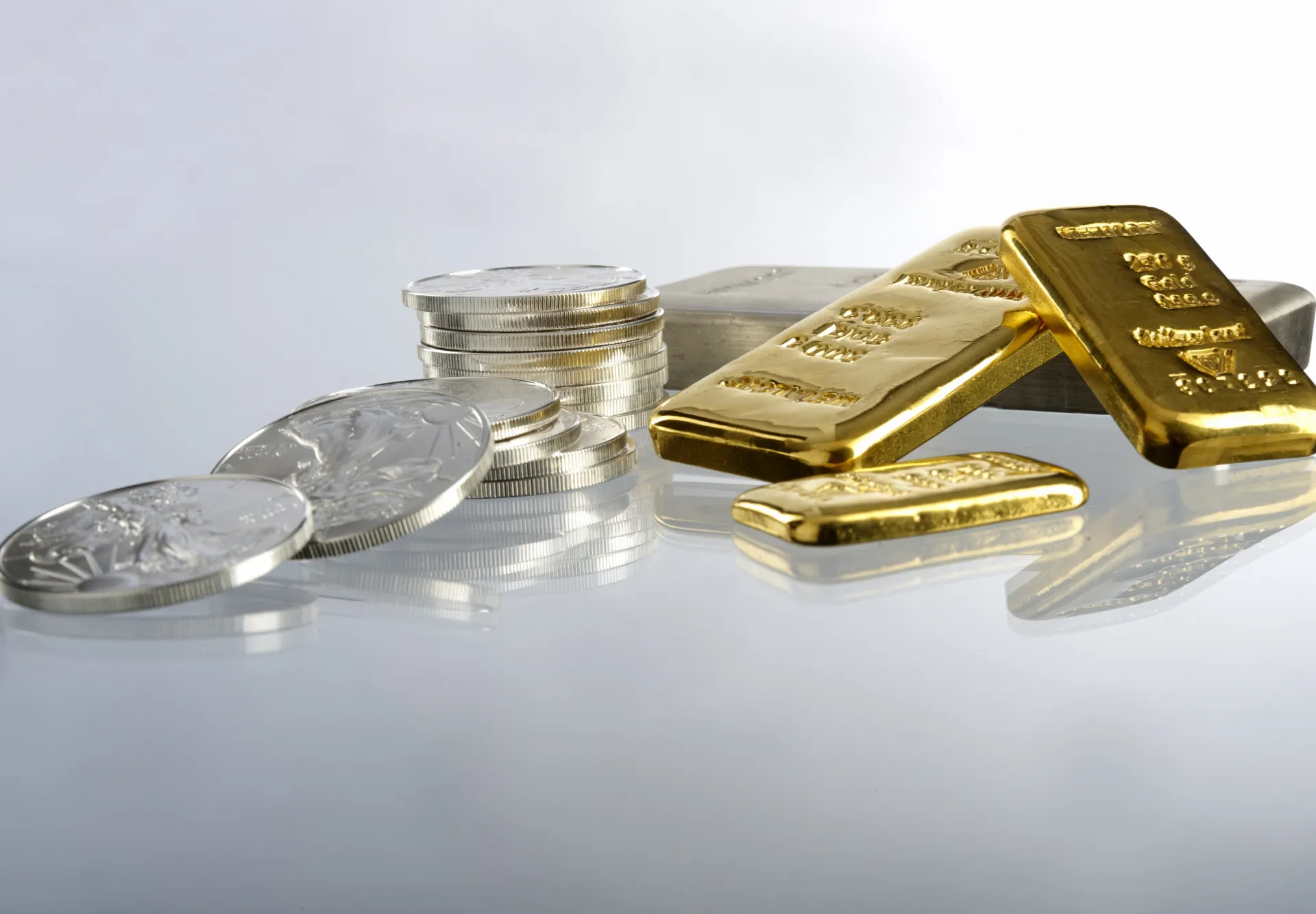
Gold and silver have been traded for centuries, long before digital platforms or online markets existed. Today, they remain two of the most actively followed instruments—not because they promise certainty, but because they offer balance.
For many traders, metals are not about excitement or constant opportunity. They are about structure, stability, and perspective. In a trading world that often feels fast-moving, gold and silver encourage a more measured approach.
This article explores why traders include metals in their strategies and how disciplined participation helps them use these markets effectively.
What Makes Gold and Silver Different From Other Markets?
Unlike currencies or equities, metals are not tied to a single economy or company. Their value reflects a broader mix of global factors.
“Balance in trading comes from instruments that respond differently to the same market forces.”
Why Traders View Gold as a Strategic Instrument
Gold is often associated with stability, but experienced traders know it is not static. Gold moves—sometimes sharply—but usually for clear, macro-driven reasons.
Traders use gold because:
 It reacts to global economic shifts
It often moves independently of individual currencies
It provides insight into broader market sentiment
Rather than trading gold frequently, many traders focus on well-defined setups tied to economic data, policy decisions, or shifts in risk appetite.
Gold rewards preparation more than speed.
How Silver Complements Gold in Trading Strategies
Silver shares similarities with gold, but it behaves differently.
Silver is:
More volatile than gold
Influenced by both investment demand and industrial usage
Prone to sharper short-term price movements
Because of this, some traders prefer silver for shorter-term opportunities, while still applying disciplined risk management.
Used together, gold and silver offer traders exposure to the metals market with varied behaviour profiles.
Metals as a Tool for Portfolio Balance
Many traders do not rely on a single market. They combine forex, indices, and metals to spread exposure.
Metals help by:
Reducing reliance on currency-specific moves
Offering alternative setups during quieter forex sessions
Providing opportunities when macro themes dominate markets
For example, when currency markets are range-bound, metals may still react to inflation data or global news.
This diversification supports consistency over time.
Understanding Volatility in Metals Trading
Volatility in metals is often misunderstood.
Gold and silver can remain calm for extended periods, then move decisively when conditions align. These moves are usually tied to identifiable triggers rather than random price action.
Disciplined traders:
Wait for confirmation
Size positions conservatively
Avoid chasing sudden moves
Volatility becomes manageable when trades are planned, not reactive.
Why Timing Matters in Metals Markets
Metals markets are influenced by global trading hours, but they are especially active during overlaps with major financial centres.
Experienced traders:
Focus on specific time windows
Avoid trading metals during low-liquidity periods
Align trades with scheduled economic releases
This approach reduces unnecessary exposure and improves trade quality.
Timing filters opportunity.
Risk Management: Essential for Metals Trading
Risk management is especially important in metals due to their potential for sudden moves.
Disciplined metals traders typically:
Use predefined stop levels
Limit position size relative to account balance
Avoid holding oversized positions through major announcements
According to industry data, traders who apply consistent risk limits in volatile markets tend to sustain longer trading lifespans.
Risk management allows traders to stay in the game.
How Trading Platforms Influence Metals Trading Behaviour
The way metals are presented on a platform matters.
Clear charts, stable execution, and transparent pricing help traders:
Analyse long-term levels
Identify macro-driven trends
Execute calmly during active periods
Platforms that reduce clutter and distraction support better metals trading decisions.
Clarity encourages patience.
How Disciplined Traders Use Metals Over Time
Rather than trading metals daily, disciplined traders often:
Wait for macro alignment
Trade fewer but higher-quality setups
Review outcomes objectively
This approach aligns metals trading with long-term goals rather than short-term excitement.
Metals become strategic tools, not emotional trades.
How Trillion Trades Supports Disciplined Metals Trading
Trillion Trades provides an environment designed to support structured participation in metals markets.
Key aspects include:
Stable access to gold and silver CFDs
Platforms suited for planning and analysis
Account structures that encourage progression
Transparent trading conditions
The focus remains on helping traders participate responsibly, not frequently.
Final Thoughts
Gold and silver are not about constant opportunity. They are about balance.
For traders who value structure, patience, and clarity, metals offer a way to participate in global markets with perspective.
When traded with discipline, metals support consistency—not urgency.